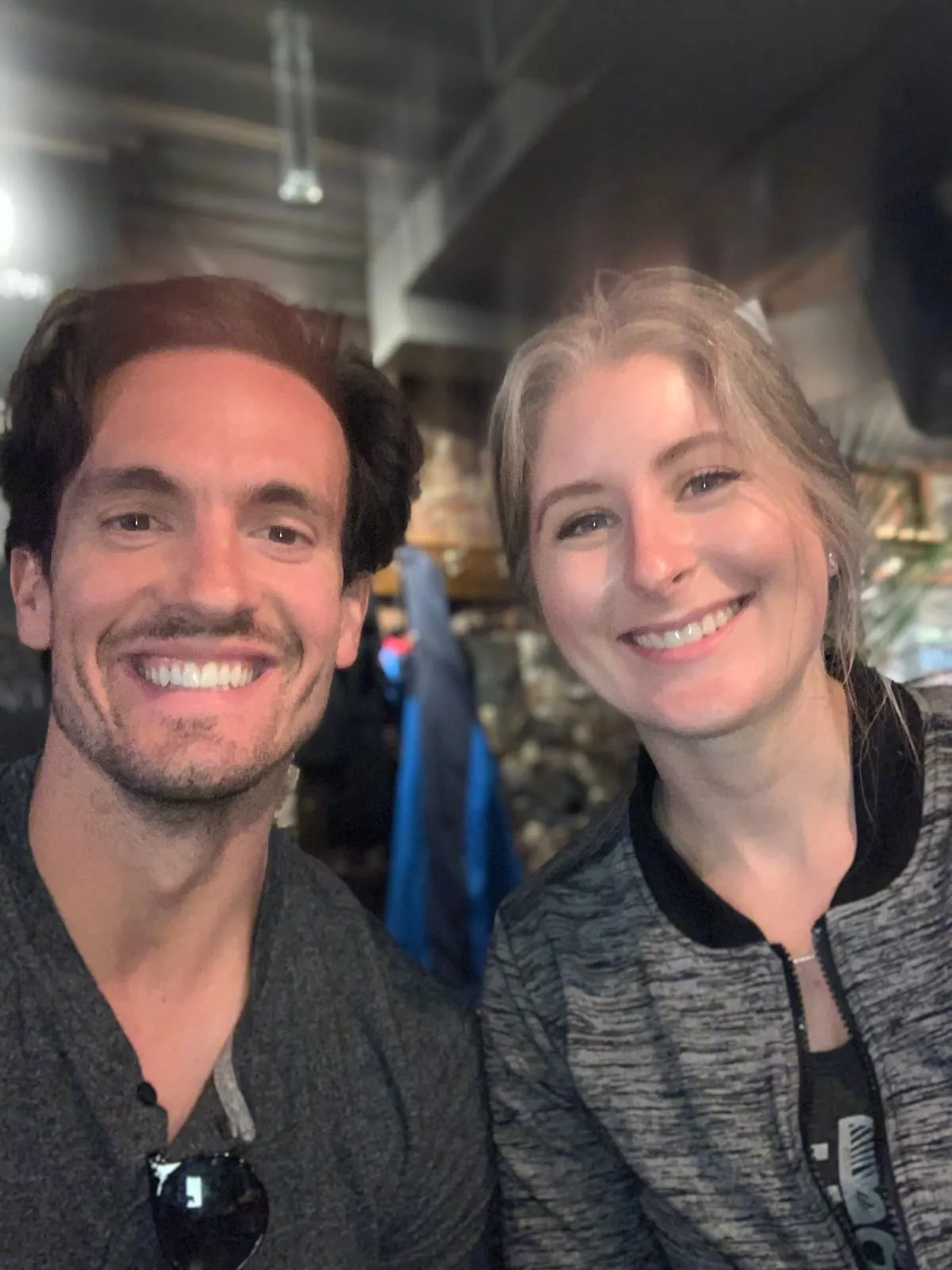
I've spent my career working to ensure that same opportunity exists for students in our schools and communities.
For me, that has meant operating across sectors and settings that often struggle to communicate with one another. I joined Teach For America out of college and taught elementary school in South Louisiana. I trained as a researcher at UVA, where I worked with Louisiana's Department of Education on accountability policy. I helped found the research function at the Common App, working to build a public insights engine from the largest college application dataset in the country. In each experience, I've sought to build the skills necessary to inform how we understand and solve problems facing children and families as they navigate the education system.
Today I serve as Chief Strategy and Analytics Officer at DC CAP, leading Student Success, University Partnerships, GEAR UP, Innovation, and Data & Technology. Our model is a regional partnership: 14 signed universities where Success Coaches sit on partner campuses and scholars stack DC CAP funding with Pell, DCTAG, and institutional aid. Partner graduation rates run 75–95%, against a national first-generation, low-income baseline of 20–25%. Our scholars graduate with little debt and move into strong careers.
Most of the work is relational. It lives in the relationships we build with our scholars, with the families and communities that raise them, with the high school counselors who refer them, with the partner universities who graduate them, and with the local foundations and corporations who fund the work.
Some of the work is technical. The scholarship lifecycle now runs in Salesforce, where we rebuilt the system that carries a scholar from application through award, acceptance, and renewal, along with the communications that move it forward for counselors, partner universities, and families. Work that used to live in spreadsheets and in the memory of whoever had been here longest now sits in one place the whole team can see. Each year we run an empirically validated matching algorithm that allocates the scholarship offers, weighing what applicants want against what each partner university can offer. I designed the framework that governs how our staff use AI, including what is safe to hand off and how we protect student privacy, with the materials public at dccapinnovation.org. We are building a platform that will help students, counselors, and families compare where different college and career paths lead. The agent stack and audit pipelines behind all of this rebuild from a clean machine.
How I Operate
- Evidence eats Intuition Good intentions don't solve problems. Clean, valid data should guide problem framing, alternatives for action, and evaluation of our work.
- Leaders Remove Barriers Strategy fails without execution, and execution requires trusting relationships. I lead by removing barriers and building capacity so the teams I support can do their best work.
- Talent compounds. Surround yourself accordingly. I seek out excellent mentors, friends, and peers. I trust the people on the teams I'm part of to lead with their special talents.
- Consistency Wins As a professional, husband, dad, and an athlete, I subscribe to the belief that consistency and standards drive results. Keep showing up.
My Family
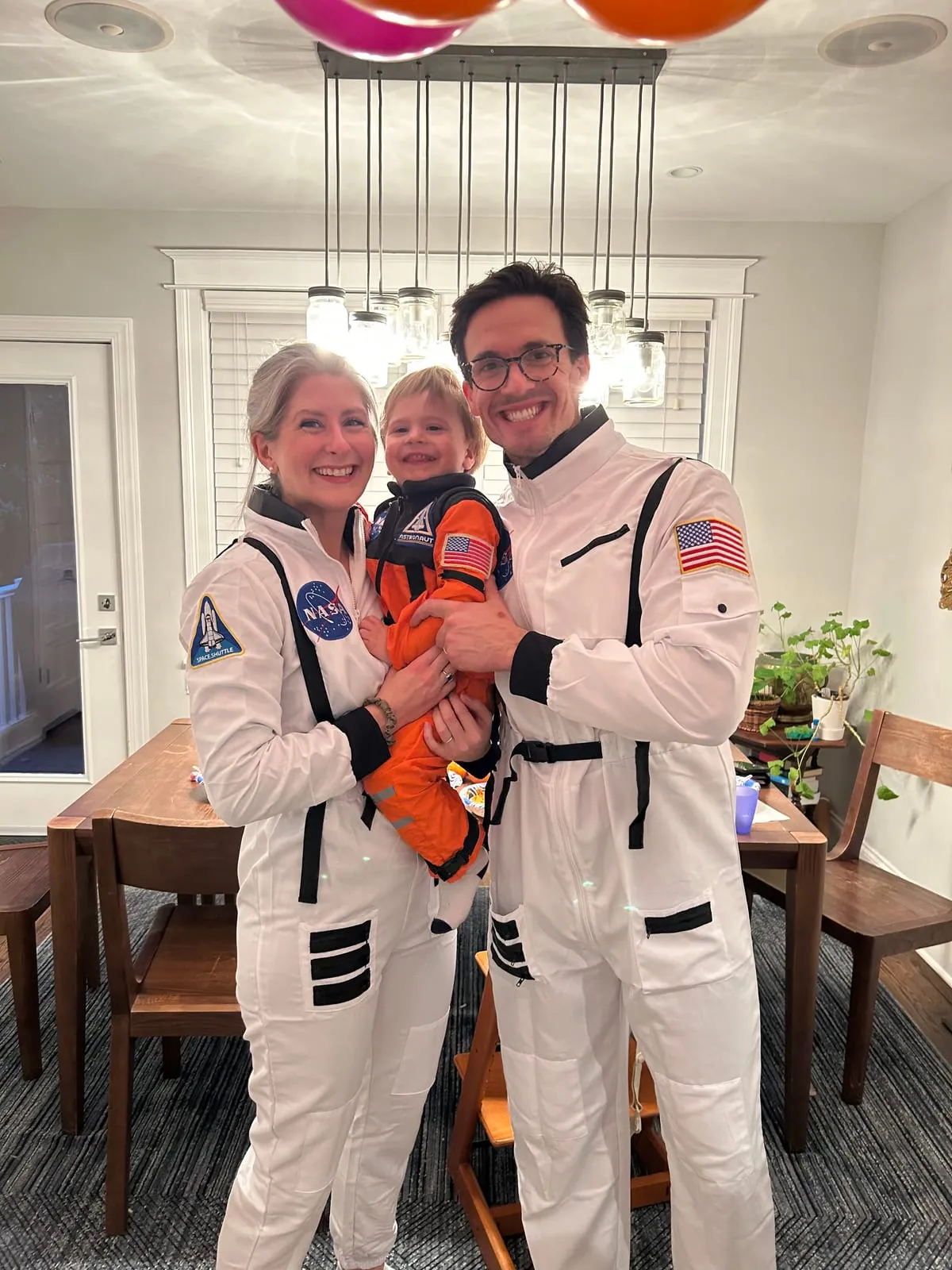
I live in Washington, D.C., a place I feel grateful to call home. I am fortunate to have married my best friend and favorite person, adopted the greatest rescue on the planet (Franklin) over 12 years ago, and spent the last two years with George, the coolest kid in The District. Being his dad is the best job I have.